



The Cepanec flower-growing business in Doljan, Varaždin County, in Croatia’s far north, has largely switched its energy supply to renewable sources, all generated on site. As one of Croatia’s top ornamental-plant producers, the company now heats its greenhouses using a biomass-fuelled combined heat and power (CHP) plant, putting its operations on a more sustainable footing.
Harnessing sunshine for operations
The biomass CHP plant delivers 2.5 MW of thermal output, supplying heat for all the greenhouses. Alongside this, a 30 kW photovoltaic system generates about 35,000 kWh of electricity annually, covering over 70 percent of the company’s total power demand. The €1.46 million investment is set to pay for itself over time through significant energy savings.
The project received €982,000 in support from the EU Rural Development Programme under the Common Agricultural Policy, which encourages more sustainable farming. The remaining investment came from the company’s own funds and a loan from the Croatian Bank for Reconstruction and Development.
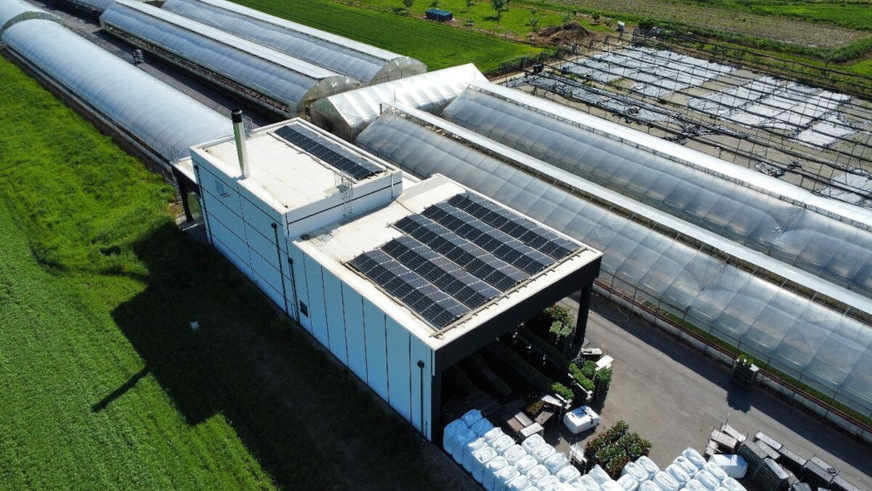
Leticija Hrenković/Agroklub
Energy independence brings stability
Switching to renewables has helped the company avoid volatile energy prices and achieve stable production throughout the year. “I knew we were all responsible, ready and determined to face such challenges successfully,” said owner Karmenka Cepanec. “Through our knowledge, experience and dedicated work, we’ve proven exactly that.”
Solar Investors Guide #8: Agri-PV for farmers and investors
Driving modernisation in floriculture
With this investment – one of the region’s most significant advances in modernising the flower industry – Karmenka Cepanec has become a symbol of successful, sustainable agricultural transformation. Finesa Consulting supported the project from planning to delivery. Martina Rudnički Pađen, board member and project manager at Finesa, called it a “demanding but highly rewarding” initiative. (su)